
Hammamet
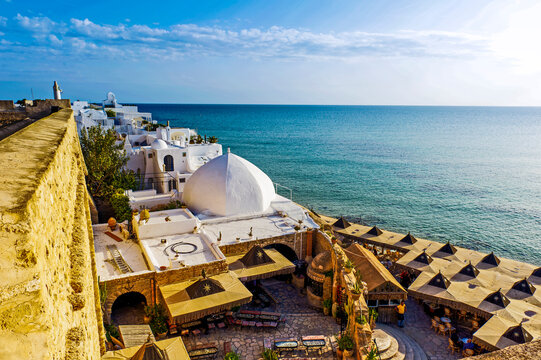
Founded as Pupput in Roman times, Hammamet has evolved from an ancient agricultural settlement into a major tourist center in Tunisia. It is famous for its 15th-century fortified medina and kasbah, developed to defend the coast against pirates. Known as the « city of baths » (the meaning of Hammamet), it became a popular tourist destination as early as the 1920s.
Now its a popular coastal town located in the Nabeul Governorate in northeastern Tunisia, situated on the south-eastern section of the Cape Bon peninsula . It lies on the Gulf of Hammamet (part of the Mediterranean Sea), approximately 60–65 km (around 40 miles) south of the capital, Tunis.
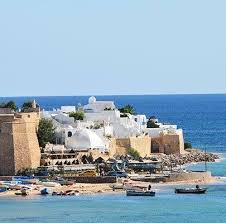
medina of hammamet
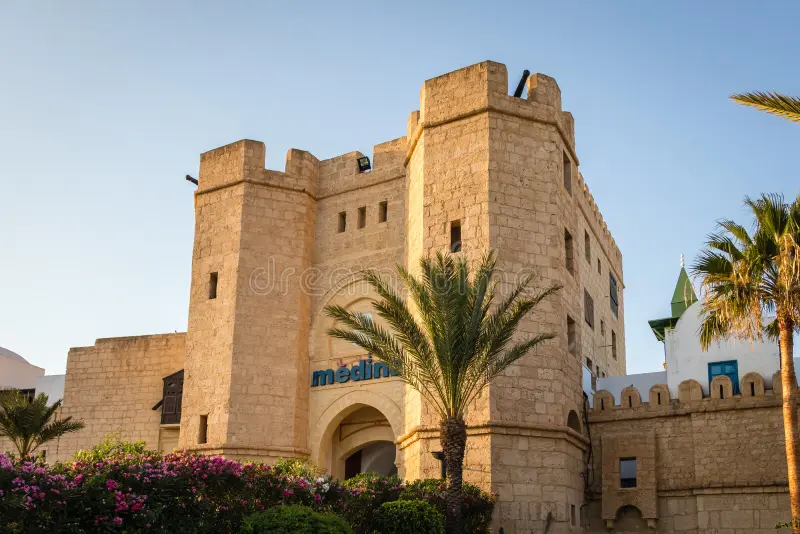
medina yasmine hammamet
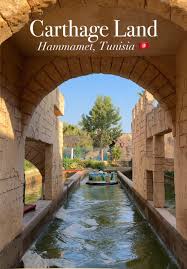
carthage land
The most frequently asked questions about hammamet.
How safe is Hammamet, Tunisia for tourists?
Can you walk around Hammamet, Tunisia?
Generally considered safe for tourists, with a welcoming atmosphere and beautiful beaches. While petty crime like pickpocketing can occur, it’s relatively low. Tourists are advised to stay aware of their surroundings, avoid isolated areas at night, and follow local advice. Overall, with standard precautions, visitors can enjoy a pleasant and secure experience in this charming coastal town.
What is Hammamet known for?
Known for its stunning beaches, vibrant nightlife, and rich history. This Tunisian coastal town is famous for its charming medina, bustling souks, and luxurious resorts. Visitors are drawn to its ancient ruins, such as the Fort, and the beautiful gardens surrounding the area. Additionally, Hammamet hosts cultural events and festivals, making it a popular destination for both relaxation and exploration.